CORE PROJECTS

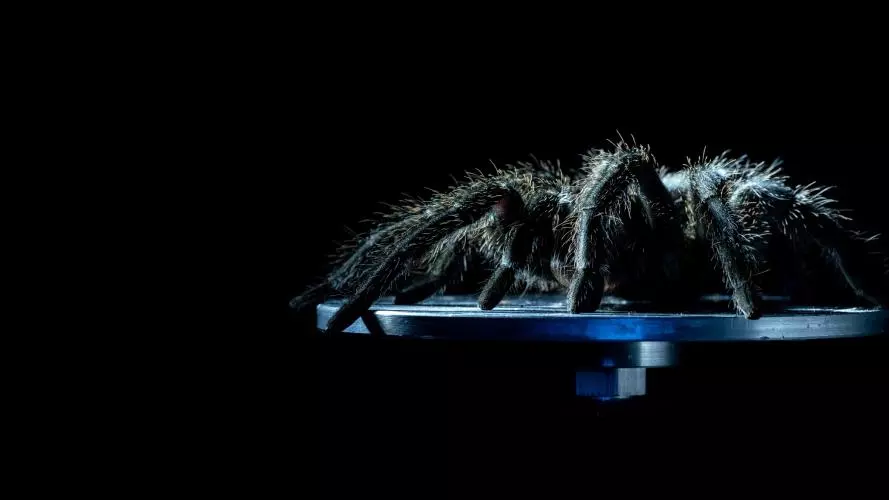
A Grammostola tarantula on a vibration shaker

What physical mechanisms underpin spider vibration sensing?

Spiders have a remarkable ability to sense vibrations that move along surfaces. This project aims to study the mechanics of spider vibration sensing to help us learn about animal intelligence and design useful technologies inspired by nature.
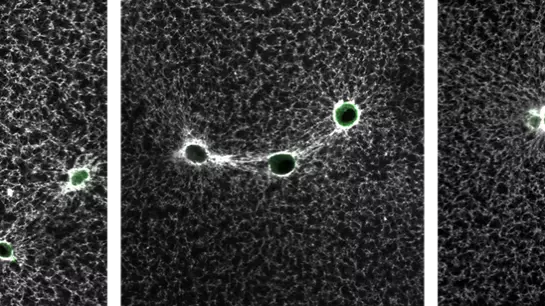
Microscope image of fibroblast cells

Do living cells transfer vibrational information between themselves?

This project asks whether cells transmit information between each other using small motions, focusing on fibroblast cells that are important in humans for wound healing.
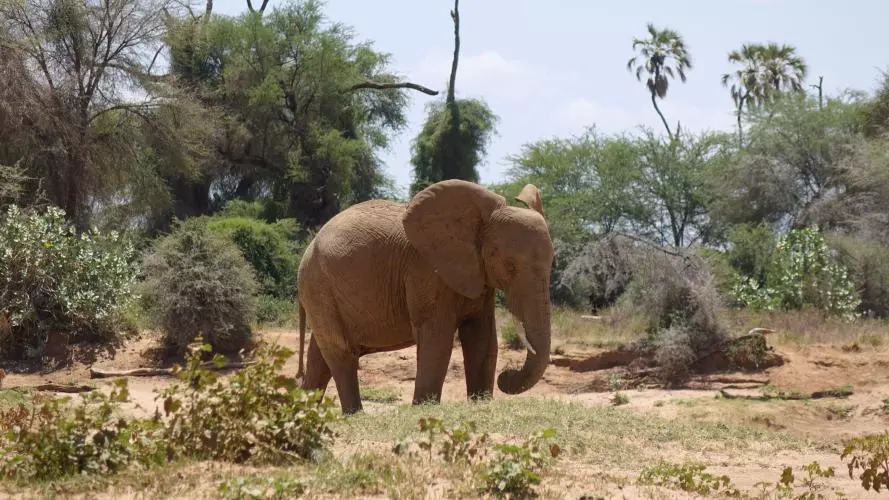
Head of African elephant seen through the bush

Why do elephants use seismic communication?

Remarkably, one method through which elephants communicate is via ground-based, or seismic vibrations. Yet evidence for the biological role of these enigmatic seismic signals in the natural environment is lacking.

OTHER PROJECTS

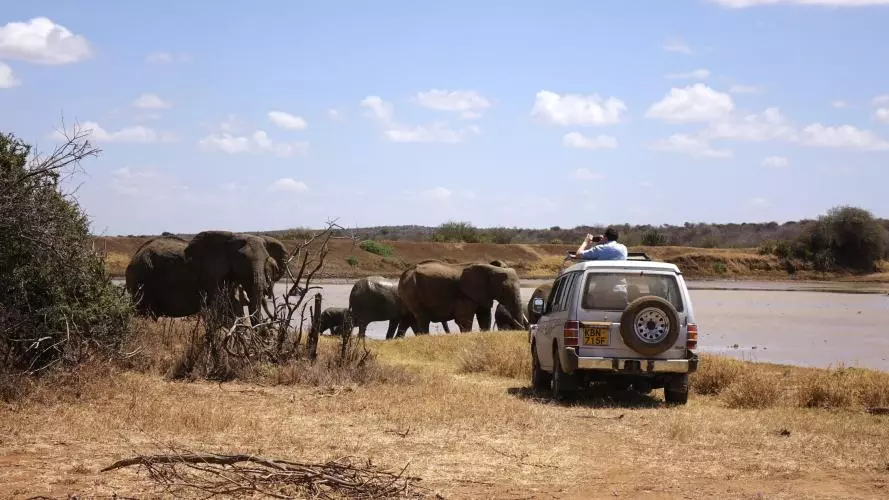
A researcher looking out from a vehicle at a herd of elephants

How does human-generated vibrational noise affect large mammals?

Large mammals likely sense vibrations though a variety of modalities, most of which are currently unknown. This research helps us understand how human activities impact protected areas through vibrations and how far these effects reach.
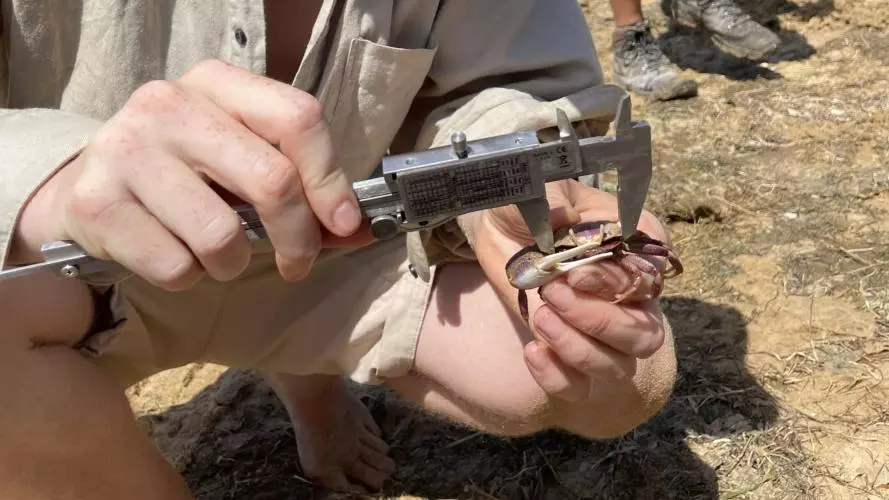
Researcher measuring a fiddler crab

How do fiddler crabs generate ground-based vibrations during courtship?

Male fiddler crabs are known to have multimodal courtship displays. Yet very little is known about what seismic vibrational information is generated during courtship.
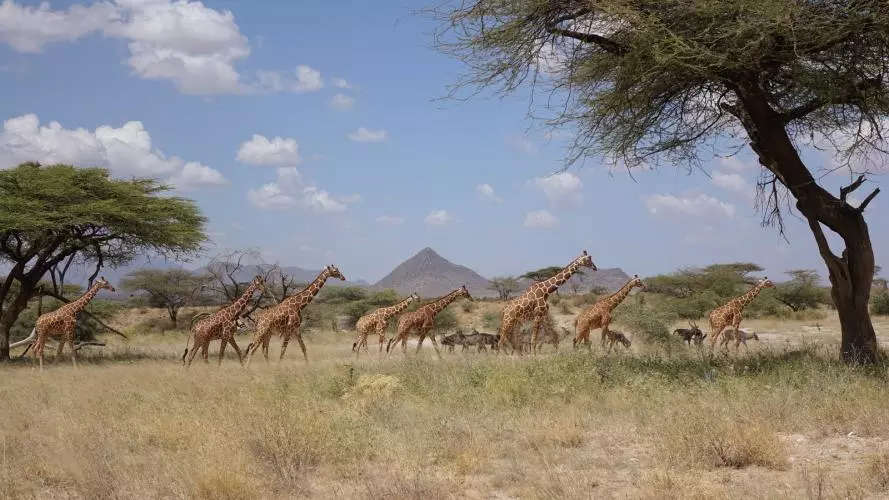
A group of giraffe walking through Kenya

Can we remotely monitor wildlife using seismic sensors?

Large mammals likely sense vibrations though a variety of modalities, most of which are currently unknown. This research helps us understand how human activities impact protected areas through vibrations and how far these effects reach.