
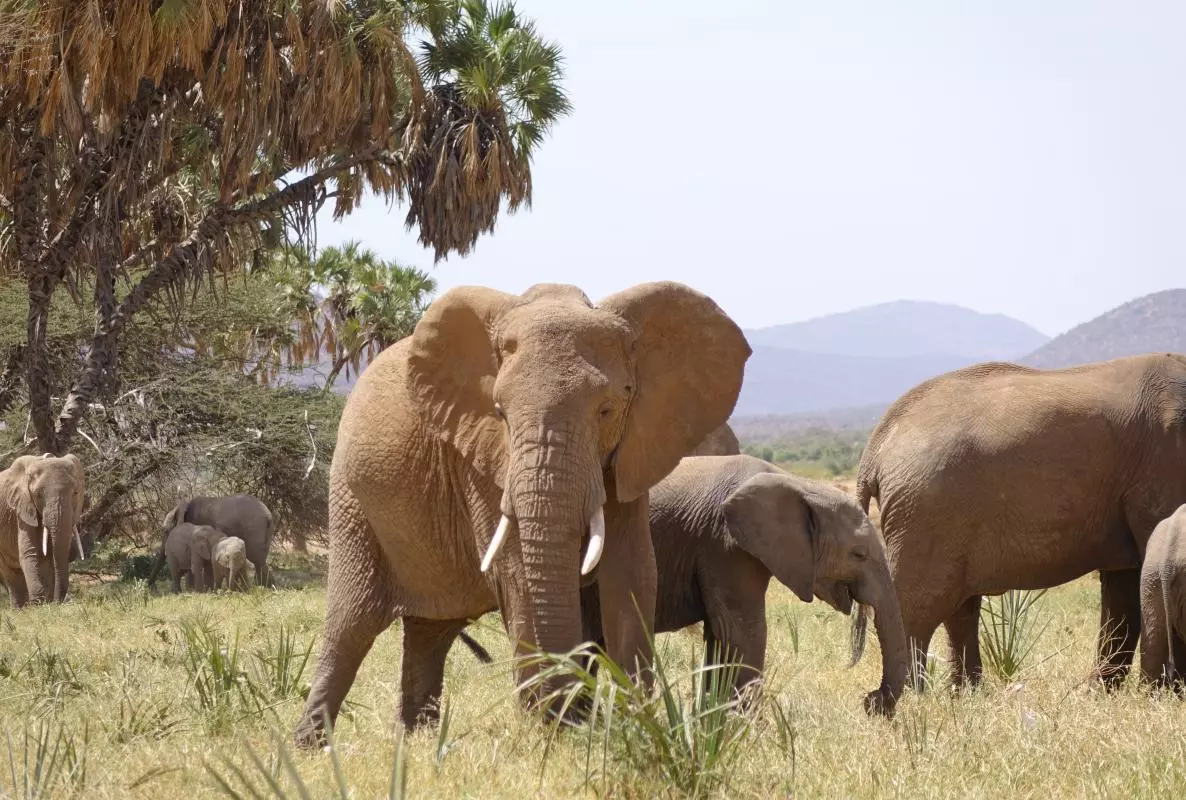
Remarkably, one method through which elephants communicate is via ground-based, or seismic vibrations. We know that elephants generate, and respond to, mini-earthquakes to transfer information between each other using vocalisations known as 'rumbles' that concurrently generate an acoustic vibration. Yet evidence for the biological role of these enigmatic seismic signals in the natural environment is lacking. Investigating their biological role is important for understanding how endangered elephants might be affected by changes in land-use, including increasing anthropogenic seismic noise due to infrastructure development.
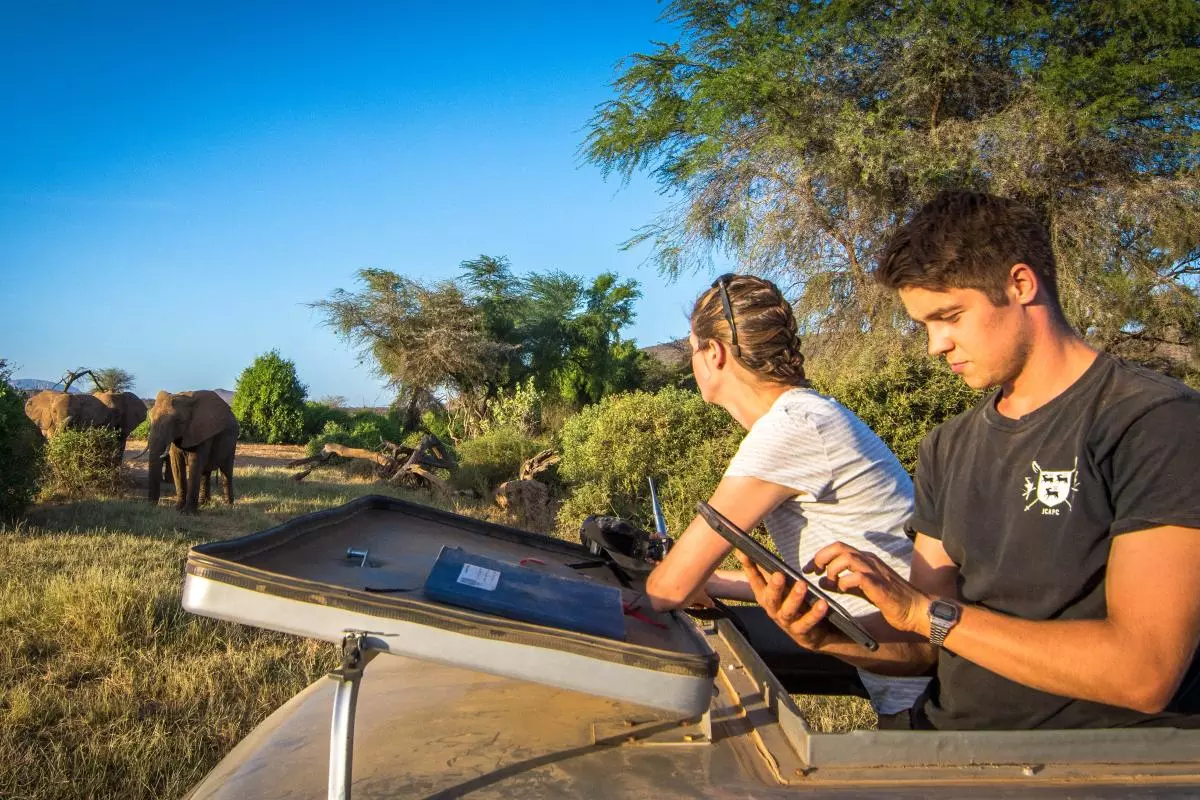
This project aims to investigate seismic communication in elephants by eavesdropping on the seismic and acoustic signals generated by elephant rumbles. We use a combination of seismic and acoustic sensors in dense arrays in Kenya (one seismic sensor per 10m to 125m spacing and acoustic sensors every 250m), which are placed alongside camera traps for visual information. This allows us to understand how information content from rumbles changes due to elephant social grouping and behaviour, as well as during propagation through the natural environment. We investigate the different influences of environmental factors such as noise and soil, and compare to theory.
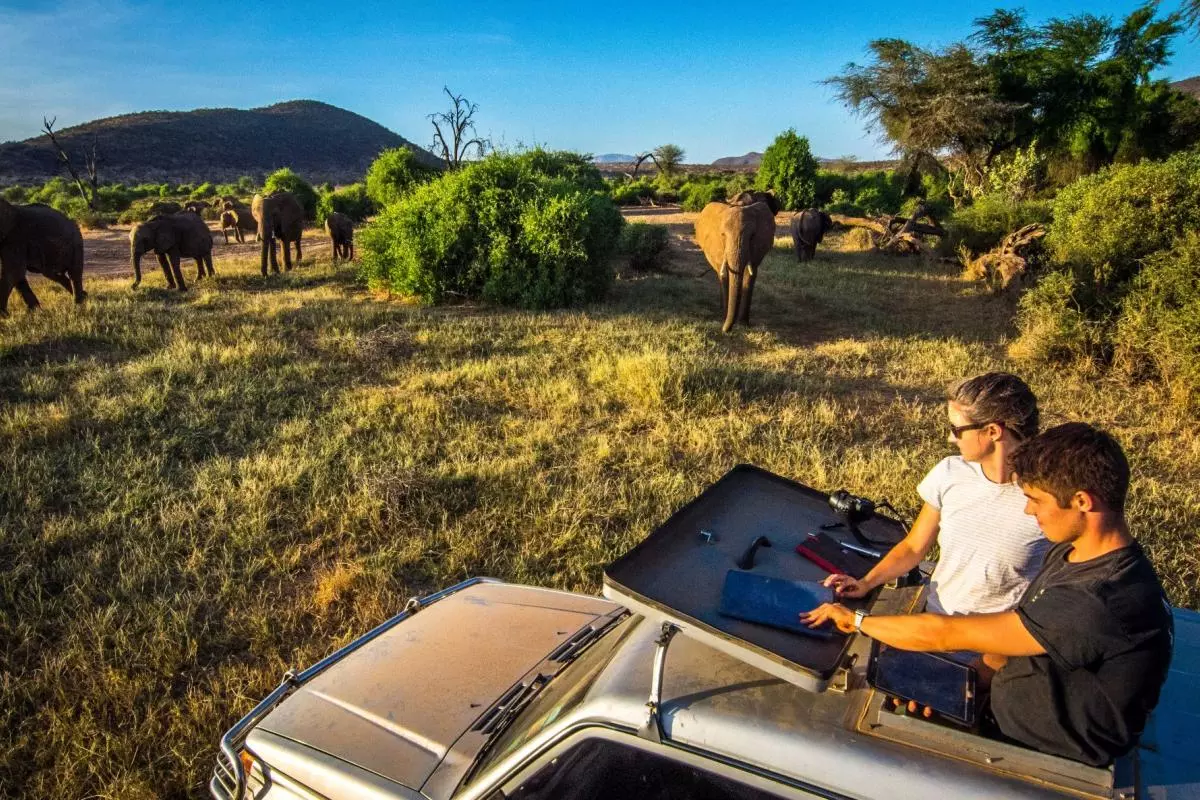
Working in the field to record elephant behaviour
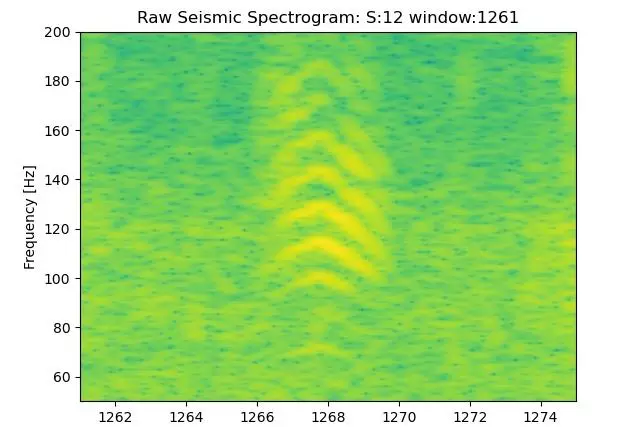
Seismic spectrogram of an elephant rumble
PRESS AND MEDIA
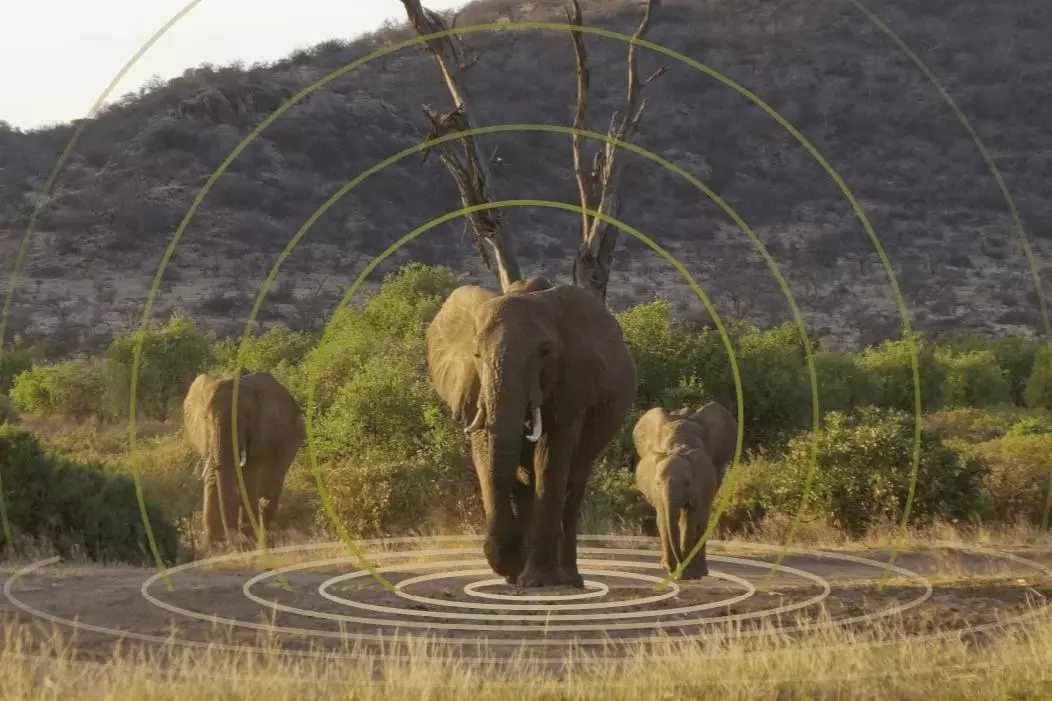
Rumble in the Jungle
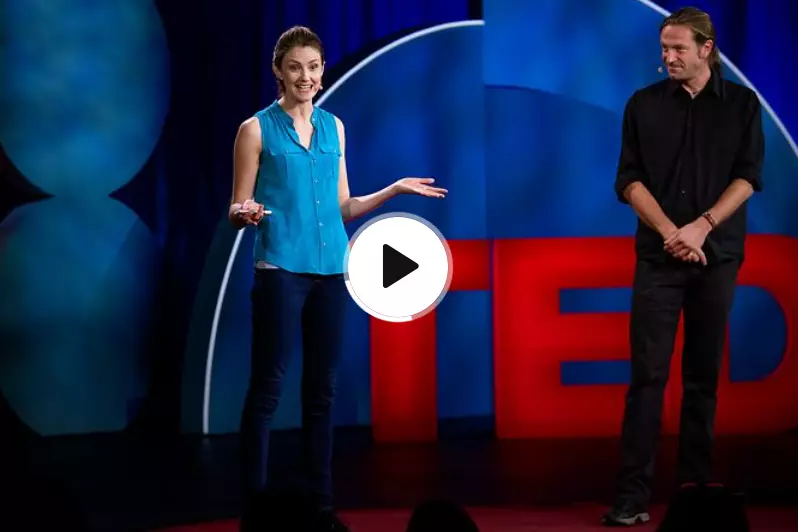
The Enigmatic Language of Elephants
Can we remotely monitor wildlife using seismic sensors?
PROJECT TEAM
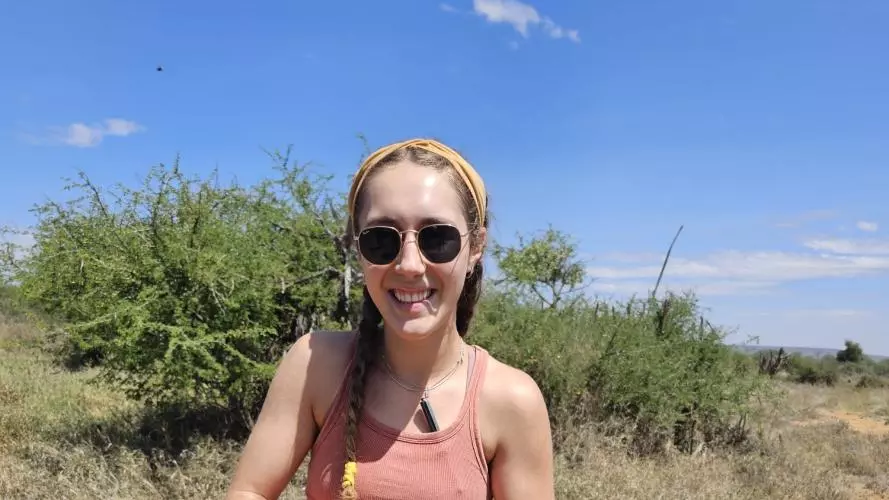



Previous contributors include Daniel Hending, Michael Reinwald, Amy Barnes, Taylor Bi, Ayse Gorbon, Samuel Kiuna (intern at Mpala Research Centre), Esther Ngondi (intern at Save the Elephants), Eunitah Makokha (intern at Mpala Research Centre), James Koech (intern at Mpala Research Centre).
Collaborators include Tarje Nissen-Meyer, Andrew Markham, Save the Elephants, Fritz Vollrath, Mpala Research Centre, Gabriel Meitiaki, Stryde Ltd
This research is funded by the National Environment Research Council via a Standard Grant (New Investigator) awarded to Dr Mortimer as PI (NE/W005468/1) with Prof. Tarje Nissen-Meyer and Prof. Andrew Markham as Co-Is. Tom Mulder is funded through a Natural Environment Research Council Case studentship with Save the Elephants as CASE partner, supervised by Dr Beth Mortimer and Prof. Fritz Vollrath and Dr Iain Douglas Hamilton. Our previous research in this area was funded by National Geographic, the Royal Commission for the Exhibition of 1851, British Ecological Society, Association for the Study of Animal Behaviour, Hester Cordelia Parsons Fund (University of Oxford) and John Fell Fund (University of Oxford).
See also our work on eavesdropping on seismic footfalls to monitor wildlife, and the biology and social sciences aspects of anthropogenic noise.