
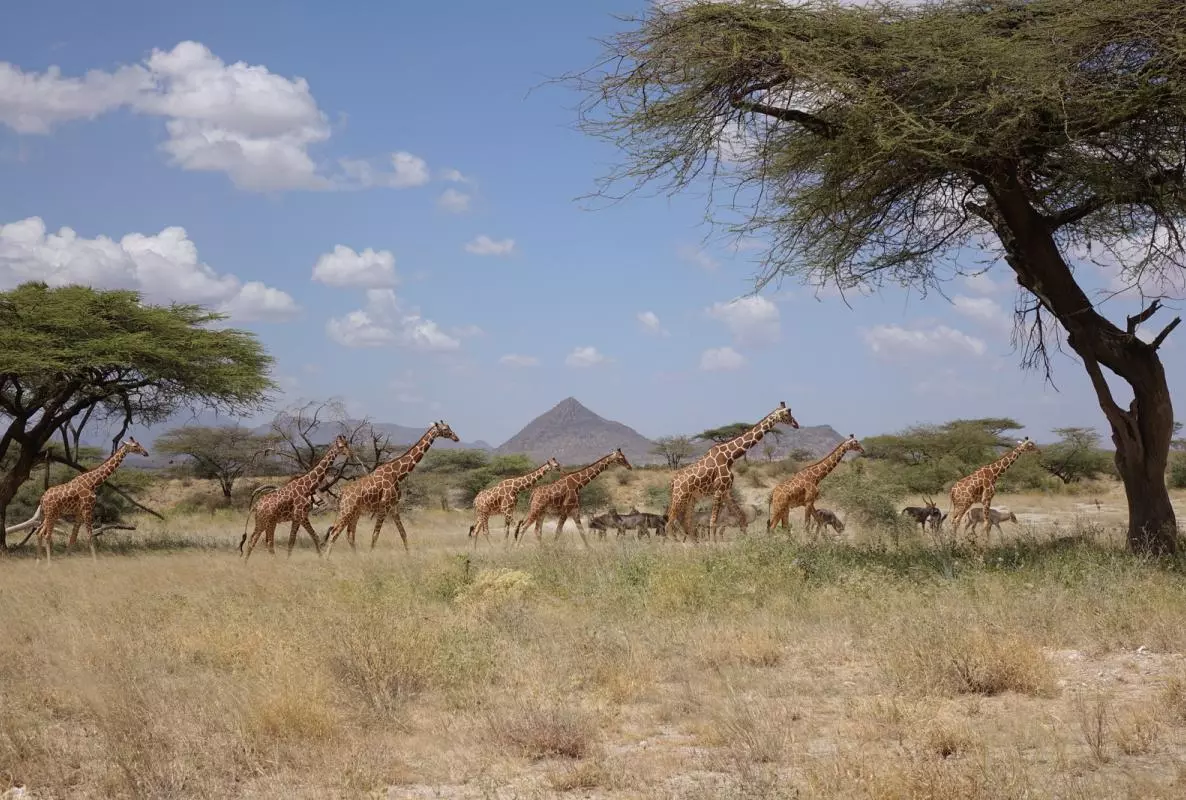
Technologies that allow non-invasive remote monitoring of wildlife are key tools for conservation and provide important biological insights. One method with excellent potential is the use of seismic, or ground-based, sensors to monitor the footsteps that large mammals generate as they move around their natural habitat.
This project aims to develop seismic recording as a tool to monitor wildlife by collecting large seismic data sets in the field in Kenya, along with ground-truthed visual data. It aims to robustly test the potential and limitations of seismic monitoring by quantifying the ability and accuracy of the method to detect, locate and discriminate between wildlife seismic footfall cues, leveraging advances in machine learning.
We found that seismic sensors collect rich information that can inform on wildlife presence, location, species and behaviour. We find that there are certain contexts in which practical implementation will be most useful, for example larger wildlife, impact-heavy behaviours such as running, multiple sensors, and sensors that are closer to the wildlife source. The method can also be transferred to multiple locations and geology types, but training data is needed to adapt the algorithms for more accurate monitoring.
Our project is important for developing technologies for evidence-based biodiversity monitoring, for implementation in strategic locations (interface between wildlife and humans, wildlife corridors) and species of conservation concern, such as the elephant, rhino or giraffe.
Rene, InvestigatorWhat has surprised me the most is the detailed information contained in the seismic footstep cues. Not only do we record the impact of a foot, but we also record its take-off!
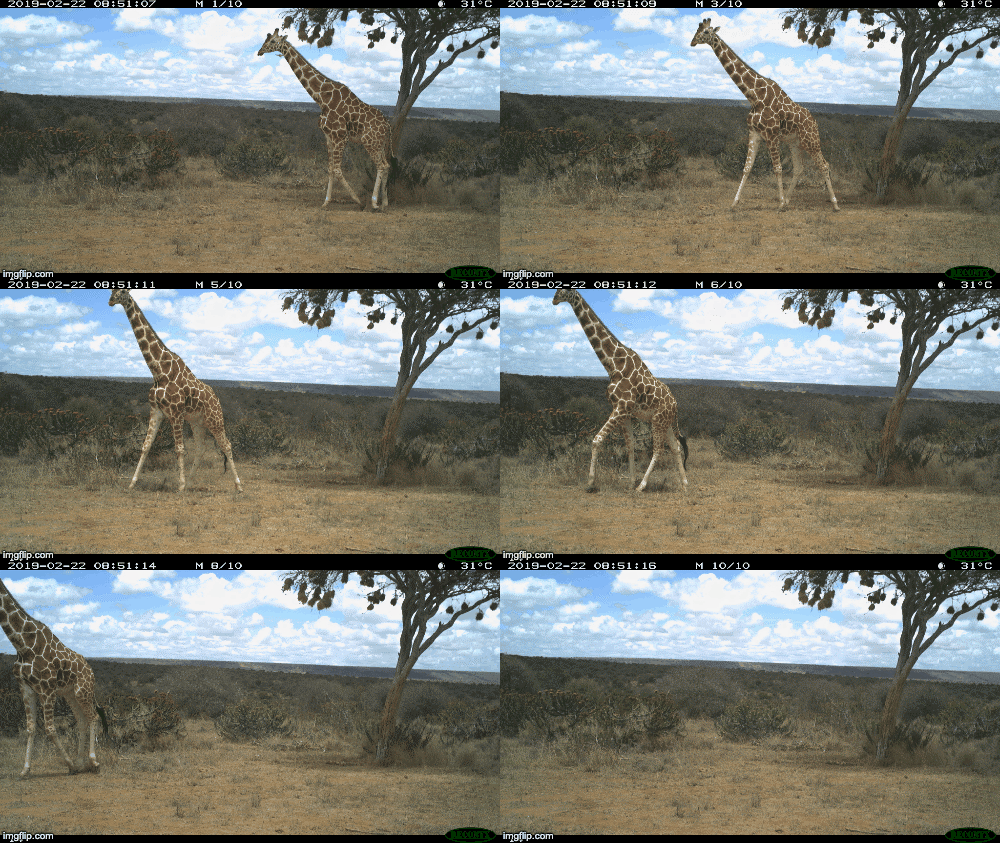
Listen to a recording of the seismic vibrations created by giraffe footfall
KEY PUBLICATIONS
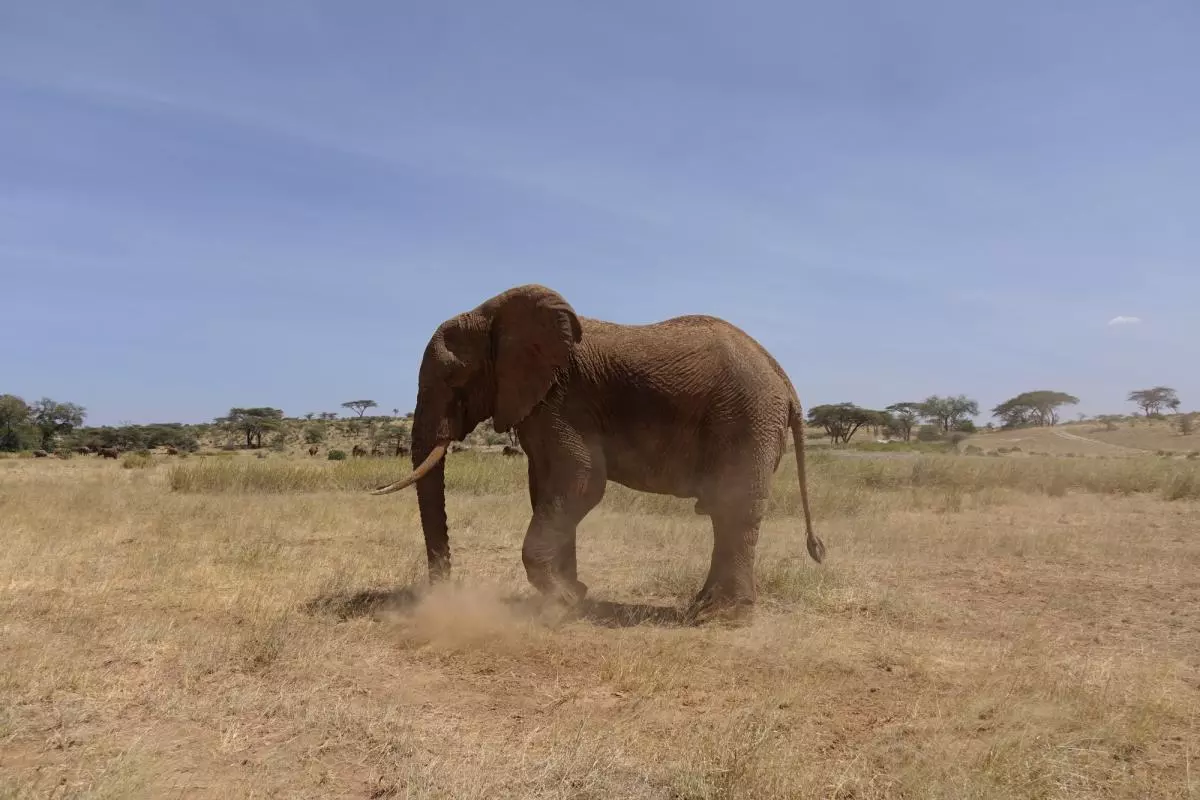
Seismic localization of elephant rumbles as a monitoring approach
Journal of the Royal Society Interface, 2021
Seismic rumbles can be used to remotely monitor and even decipher elephant social interactions, presenting us with a tool for far-reaching, non-intrusive and surprisingly informative wildlife monitoring.
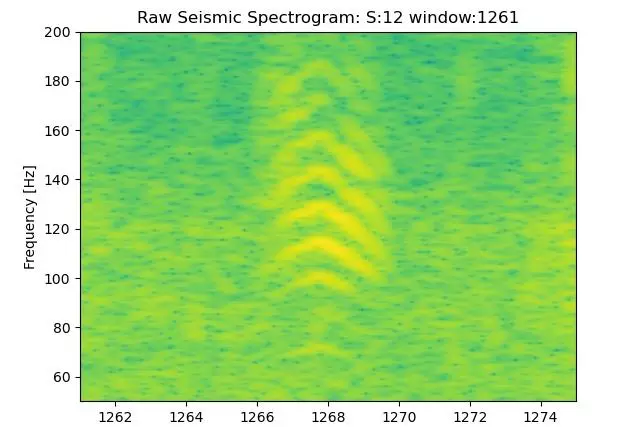
Seismic Savanna: Machine learning for classifying wildlife and behaviours using ground-based vibration field recordings
Remote Sensing in Ecology and Conservation, 2021
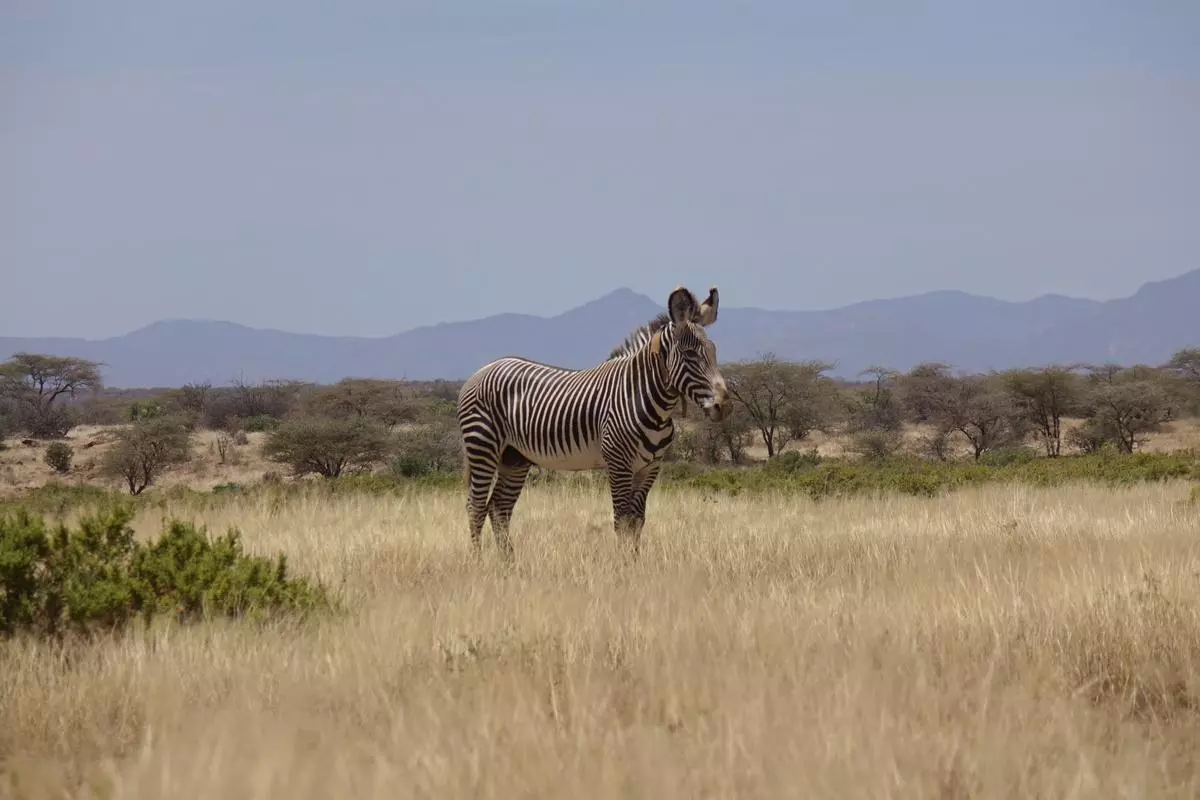
Decoding the footsteps of the African savanna: Classifying wildlife using seismic signals and machine learning
Methods in Ecology and Evolution, 2025
PROJECT TEAM
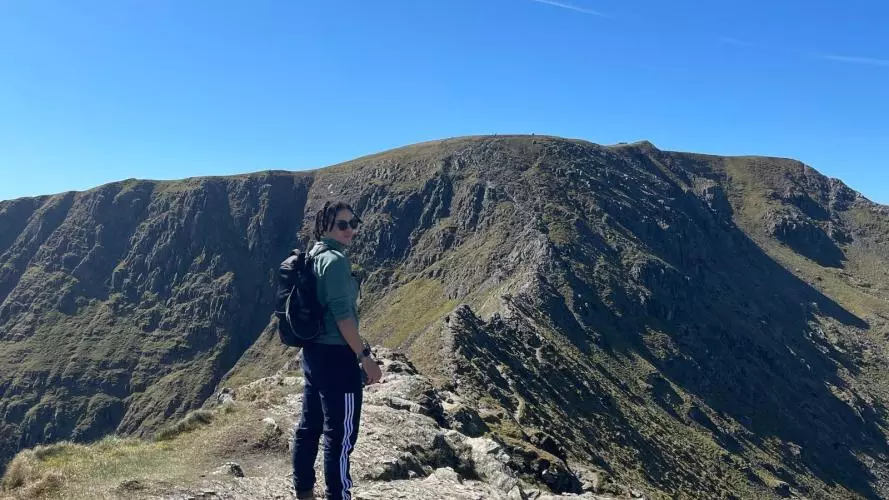
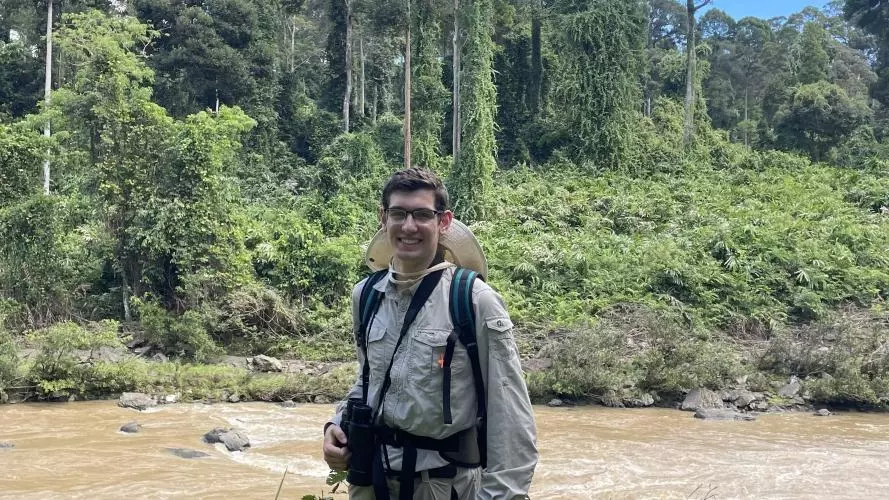

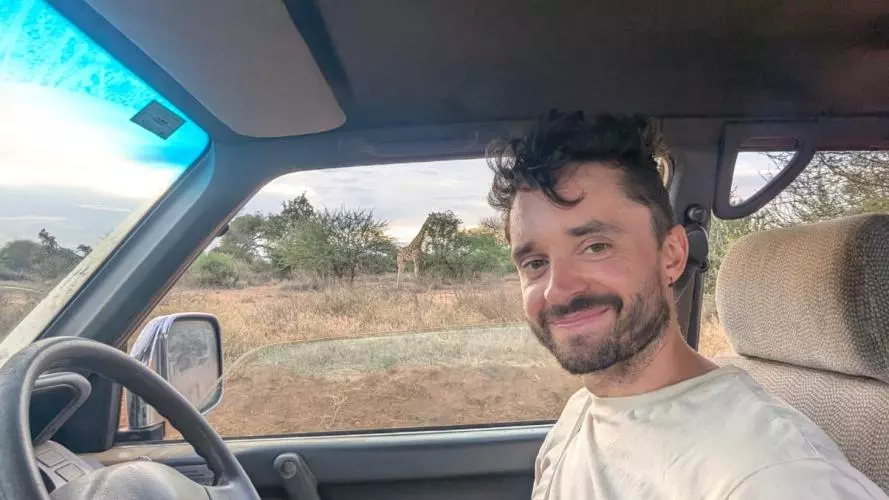
Previous contributors to this project include Daniel Hending, Michael Reinwald, Zachary Mutinda Muteti (intern at Mpala Research Centre), Alex McDermott-Roberts, Amy Barnes, Samuel Kiuna (intern at Mpala Research Centre), Esther Ngondi (intern at Save the Elephants), Eunitah Makokha (intern at Mpala Research Centre), James Koech (intern at Mpala Research Centre).
Current collaborators include Tarje Nissen-Meyer, Andrew Markham, Paula Koelemeijer, Alexandre Szenicer, Ben Moseley, Save the Elephants, Sandy Oduor, Fritz Vollrath, Mpala Research Centre, Gabriel Meitiaki, Stryde Ltd, Atilim G. Baydin
This work is funded by a GFZ Discovery Fellowship to Rene Steinmann. This research is also funded by the Natural Environment Research Council via a Standard Grant (New Investigator) awarded to Dr Mortimer as PI (NE/W005468/1), with Prof. Tarje Nissen-Meyer and Prof. Andrew Markham as Co-Is. Our previous research in this area was funded by National Geographic, the Royal Commission for the Exhibition of 1851, British Ecological Society, Association for the Study of Animal Behaviour, Hester Cordelia Parsons Fund (University of Oxford) and John Fell Fund (University of Oxford).