
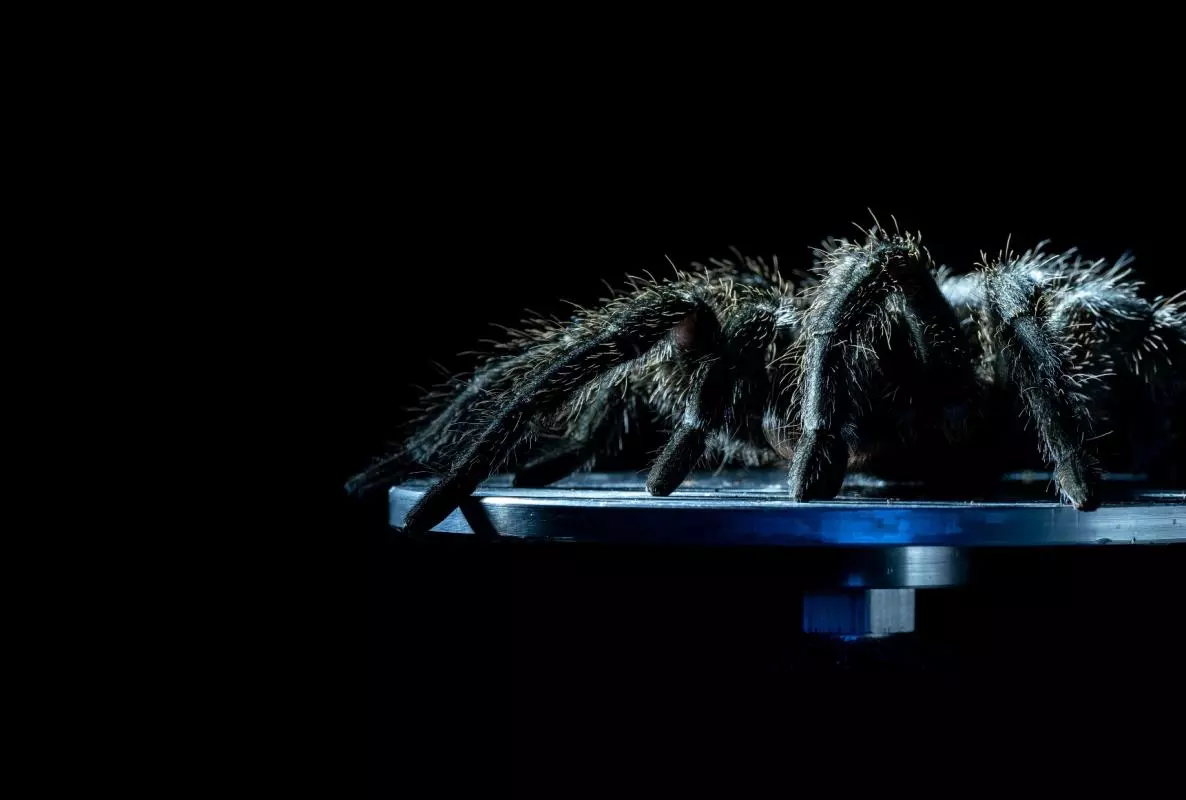
Spiders have a remarkable ability to sense vibrations that move along surfaces. Whether a spider at the centre of its web, or a wandering spider hiding on a leaf, they use the motions of the surface they are standing on to gain information about potential meals or mates. They do this using hundreds of vibration sensors embedded in their legs, maintaining their hunting ability even in unpredictable and noisy environments. Yet we don't know how they achieve this. One option could be that spiders change their posture on the surface to help them detect vibrational cues as conditions change. Analogous to how your outer ear helps your inner ear to detect air-borne vibrations, we know that spider bodies influence the vibrations that spiders detect through their legs. Yet unlike your ear, we don't know if this body effect is useful for spiders or not.
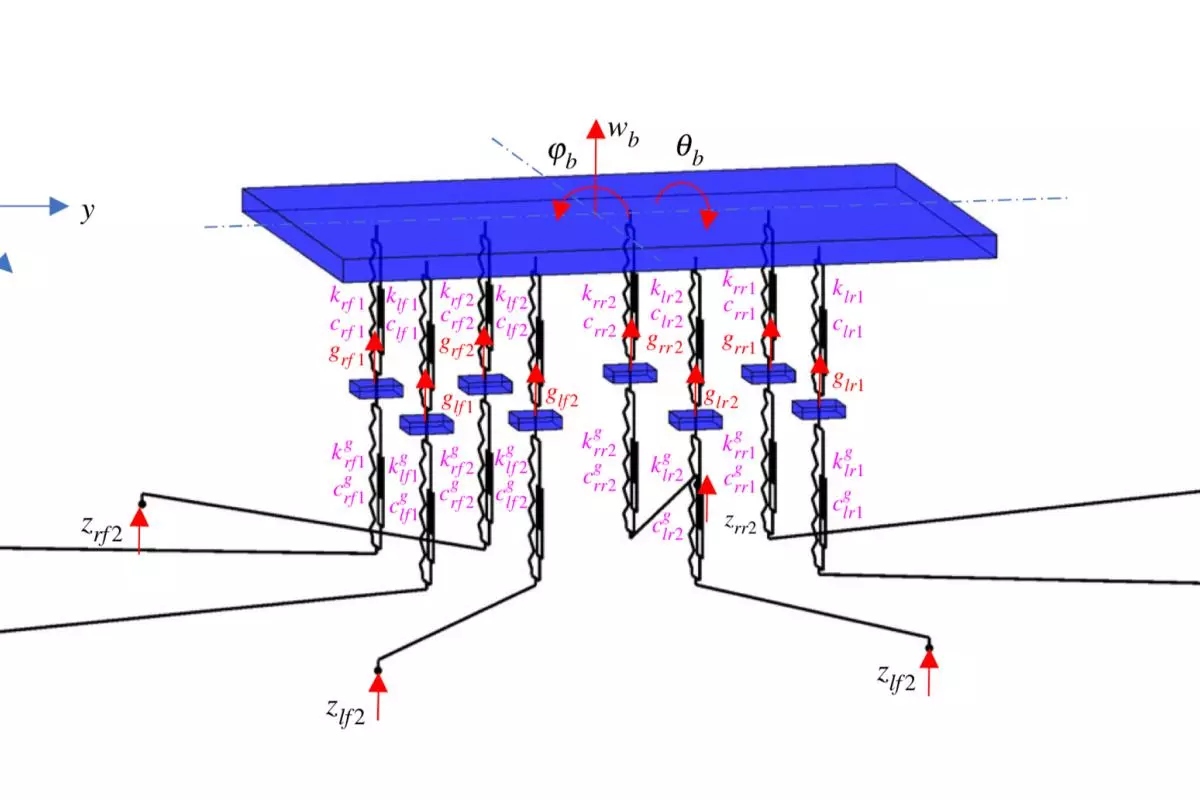
The project aims to answer this by studying the mechanics of spider vibration sensing. We combine computer modelling with small-scale vibration measurement techniques to understand what factors influence vibrational sensing before it reaches a sensor. Furthermore, the project studies how spiders respond to vibrations as conditions such as noise and spider posture are controlled and varied.
The findings from the project are important for understanding how spiders can maintain sensing under environmental change, which is becoming a bigger issue globally, especially the effects of noise. Furthermore, it gives insights into the varied ways that animals make intelligent decisions, with the fascinating possibility that spiders can actively influence their sensory capabilities using their bodies. Finally, our research can help us design useful technologies inspired by nature that use vibrations along surfaces for information. There are many potential applications within engineering, from inspection technologies in dangerous locations, to remote monitoring using swarms of drones.
Thomas, Postdoctoral Researcher"We have only just begun to scratch the surface in terms of understanding how vibration sensing in spiders works beyond the level of the individual mechanosensors. From my perspective, it would be particularly interesting to see how the web and body interact to process incoming vibrational information, and place this in the context of extended cognition."
PUBLICATIONS
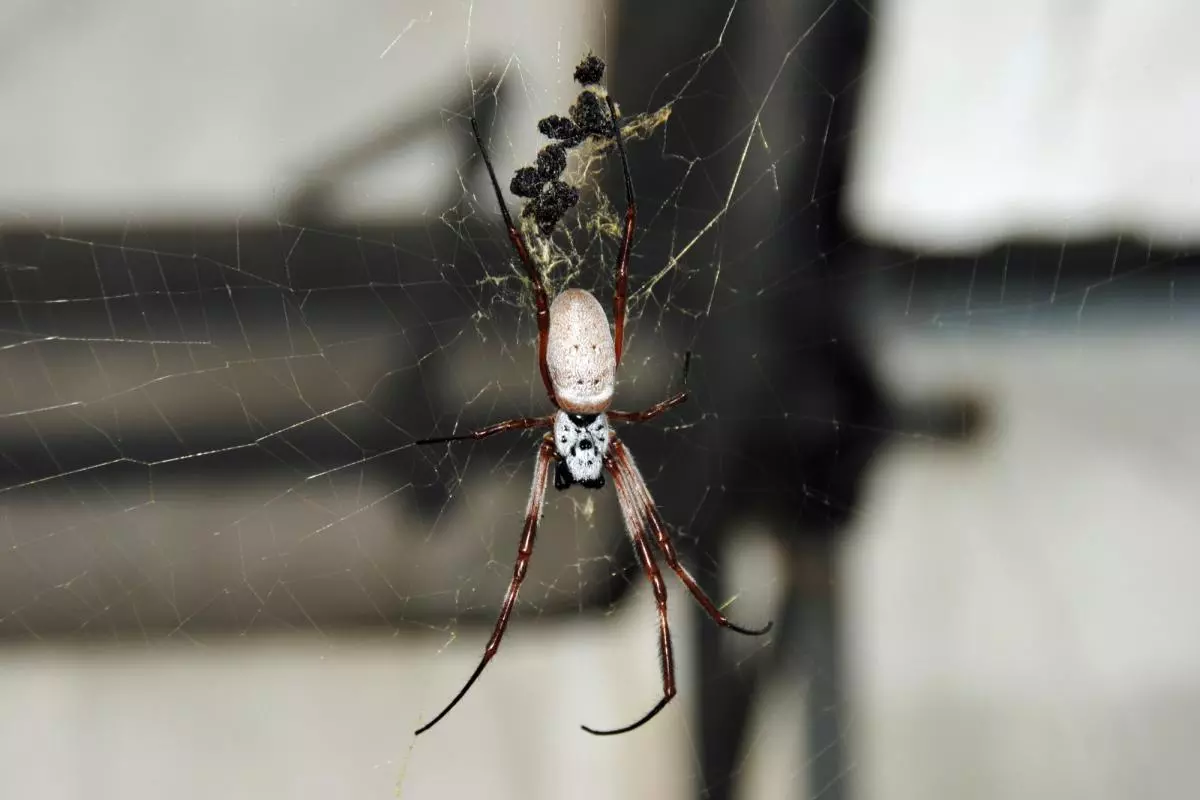
Dynamic environments do not appear to constrain spider web building behaviour
The Science of Nature, 2021
Golden orb weaver spiders can use vibrations to identify, locate, and capture prey, even when their webs are significantly distorted
PROJECT TEAM




Previous contributors include Ivo Andrews, Nicholas Wong, Tariq Saeed, Lourdes Maigua Medrano, Lucas Wilkins, Michael Reinwald
Current collaborators include Alice Cicirello, Graham Taylor
This research is funded by the Royal Society via a University Research Fellowship awarded to Dr Mortimer (URF/R1/191033). Our previous research in this area was funded by the Royal Commission for the Exhibition of 1851.