
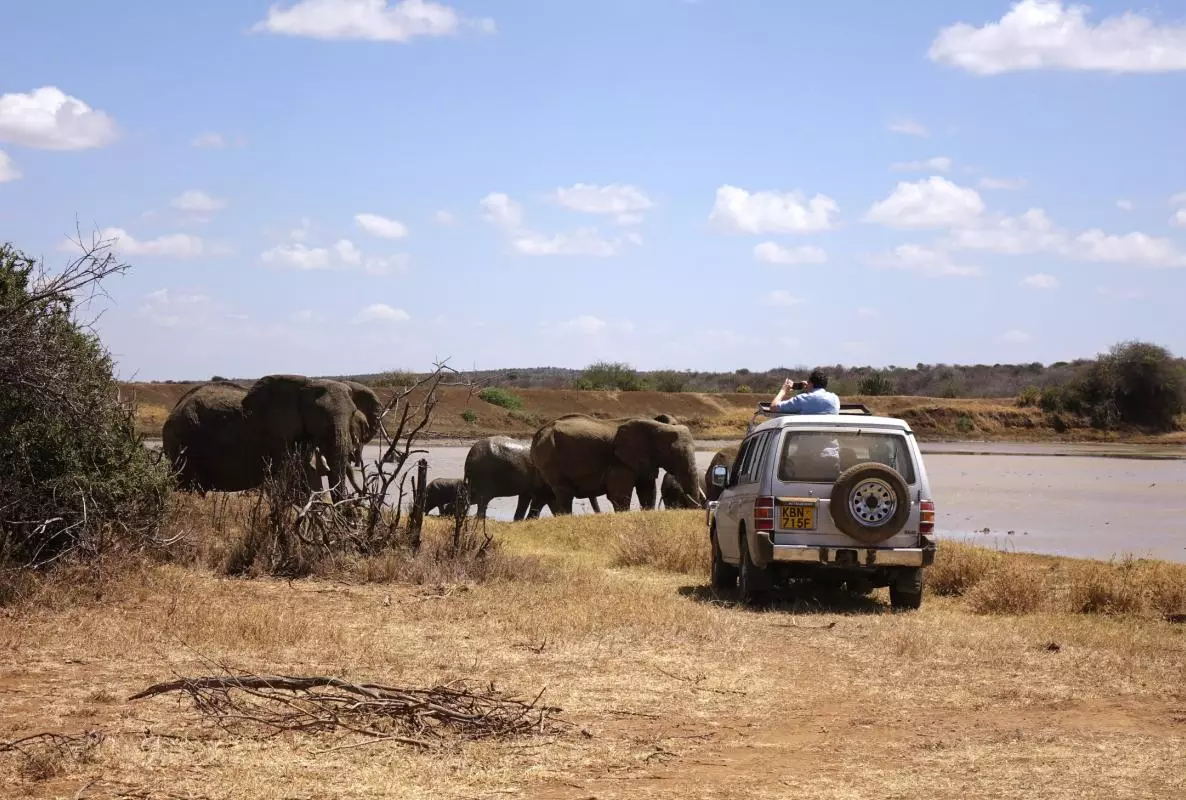
Large mammals likely sense vibrations though a variety of modalities, most of which are currently unknown. Elephants in particular are thought to use their inner ear and large bones for bone conduction of vibrations. This is also thought to be the case in other large mammals such as the hippo and giraffe, however, vibrational sensing mechanisms is not well explored beyond elephants currently.
This research helps us understand how human activities impact protected areas through vibrations and how far these effects reach. This is important for deciding where human activities should be located in relation to protected areas and for setting up buffer zones to reduce their impact. It also provides valuable information for industries like oil and gas, helping them understand how their operations affect the environment beyond just acoustic noise, including potential impacts on wildlife.
Another key application is in reducing human-wildlife conflict. If vibrations from human activities make protected areas too noisy or disruptive, animals may leave and move into community lands, increasing the chances of conflict with people. By studying these patterns, my research helps explain why this happens and can inform better conservation and land-use planning to balance human development with wildlife protection.
Lara, DPhil StudentI fell in love with work in East Africa (and its large mammals) during fieldwork in my undergrad, returning several times to research a new aspect of human-wildlife conflict. Each time, I became more fascinated by how large mammals sense the world around them and how humans may be impacting animals in ways we are unaware of. This, combined with my interest in earth sciences, lead to my current research idea: exploring how large mammals are impacted by vibrations from human activities.
KEY PUBLICATIONS
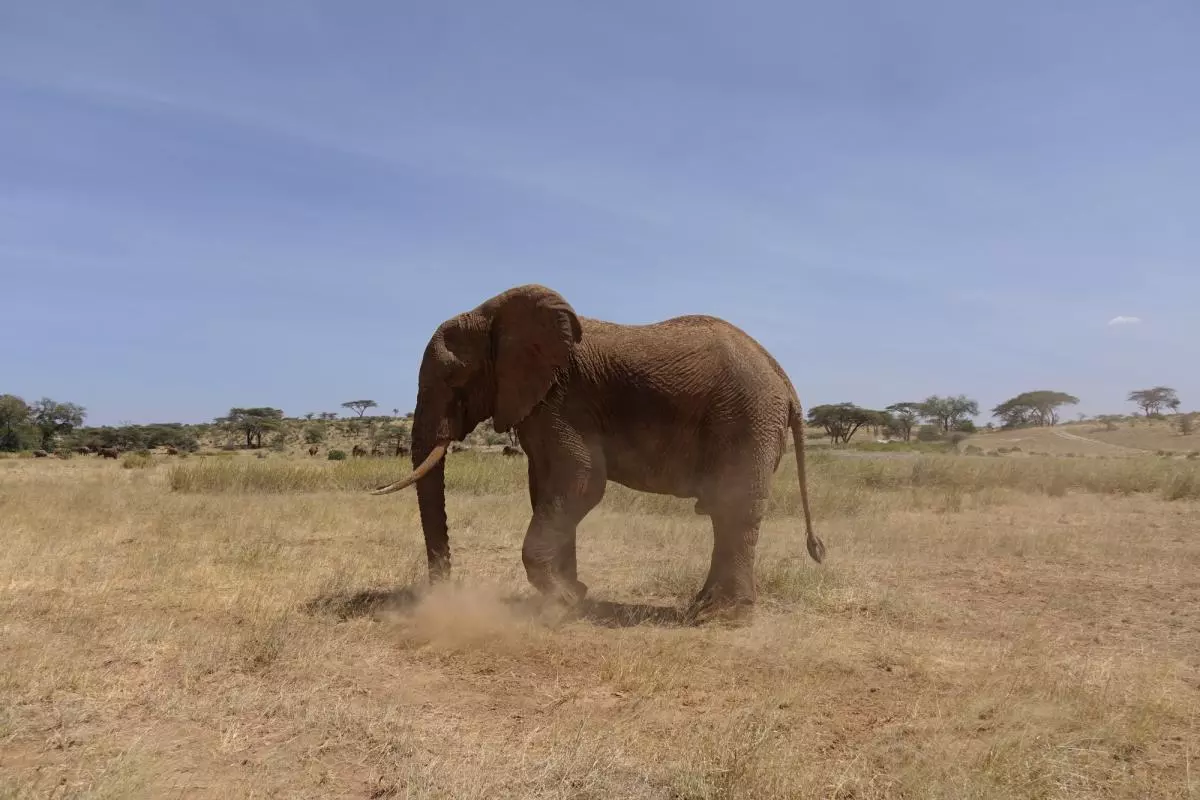
Noise matters: elephants show risk-avoidance behaviour in response to human-generated seismic cues
Proceedings of the Royal Society B, 2021
Seismic noise are cues that contain biologically relevant information for elephants that they can associate with risk.
TALKS & MEDIA
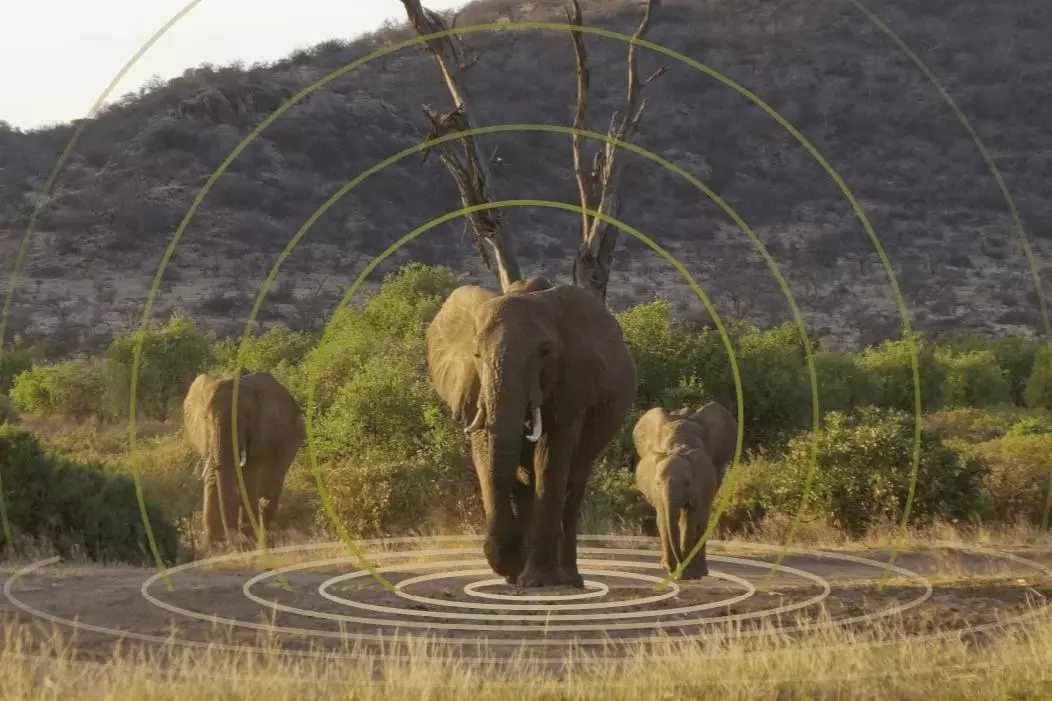
Rumble in the Jungle
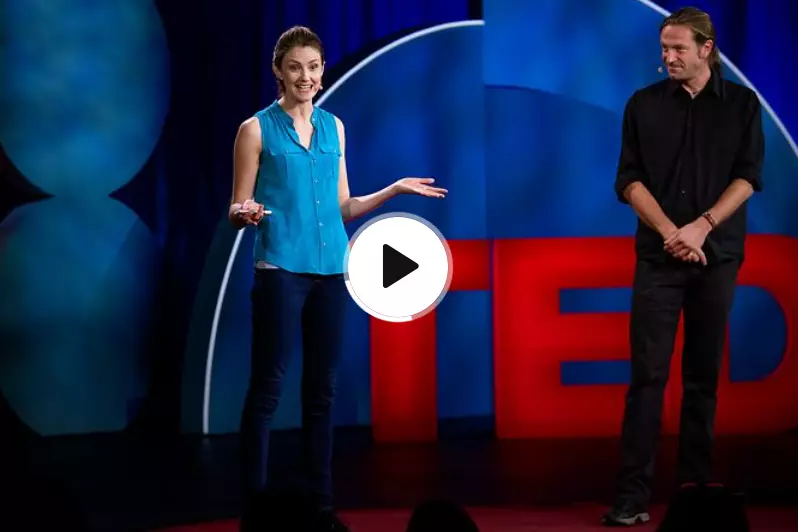
The Enigmatic Language of Elephants
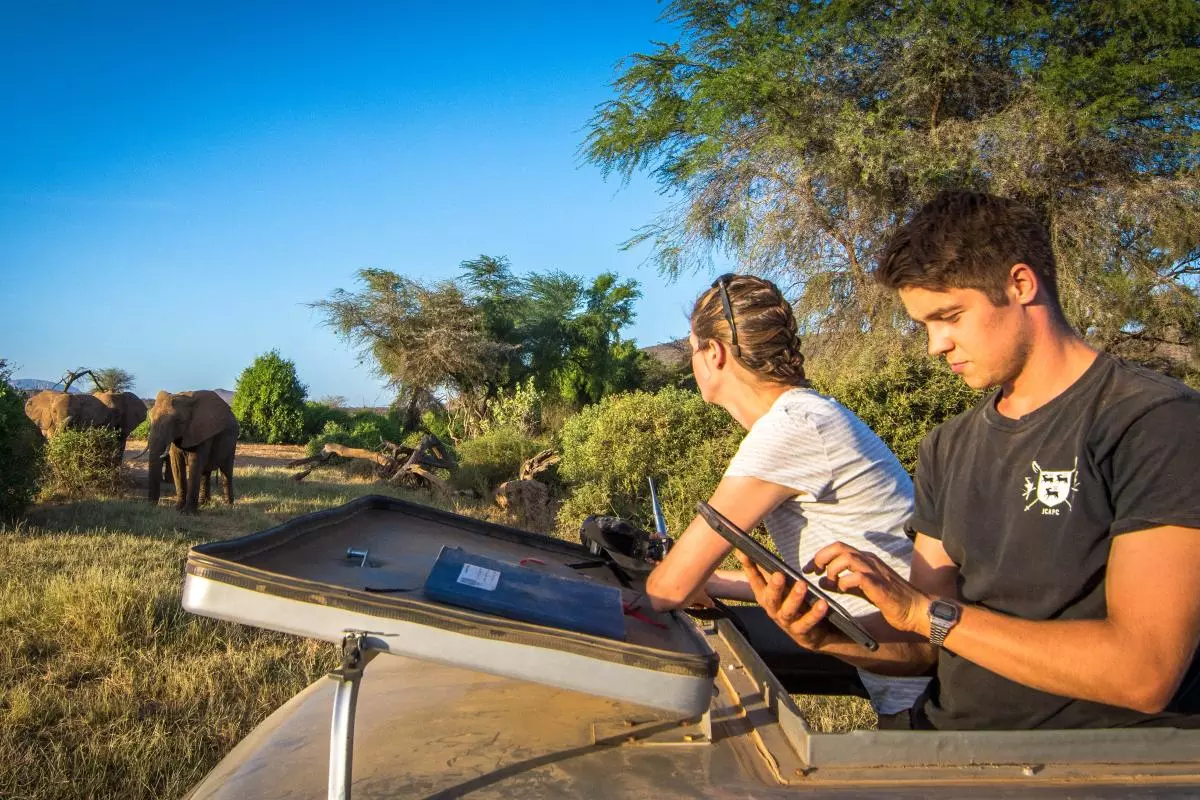
Can we remotely monitor wildlife using seismic sensors?
PROJECT TEAM
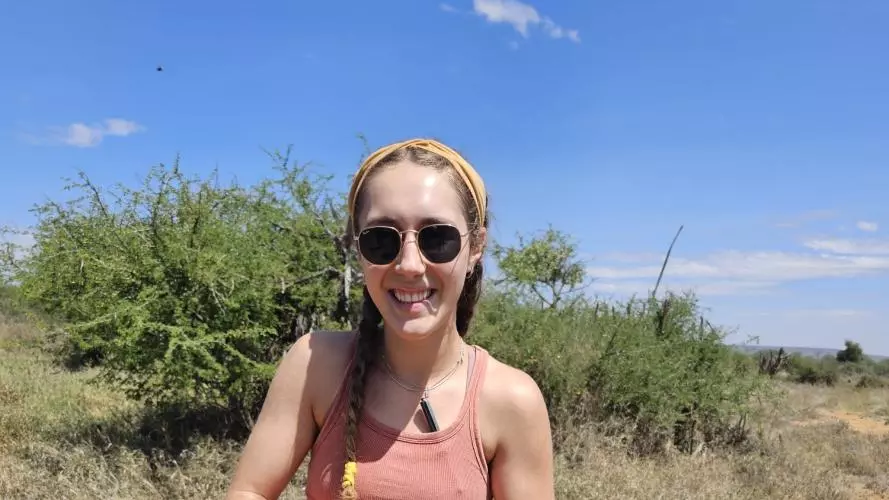

This work is funded by a Clarendon/Oxitec scholarship to Lara Boudinot, who is supervised by Dr Beth Mortimer and Dr Paula Koelemeijer.